She'll Eat Her Own Wings When She Gets Here
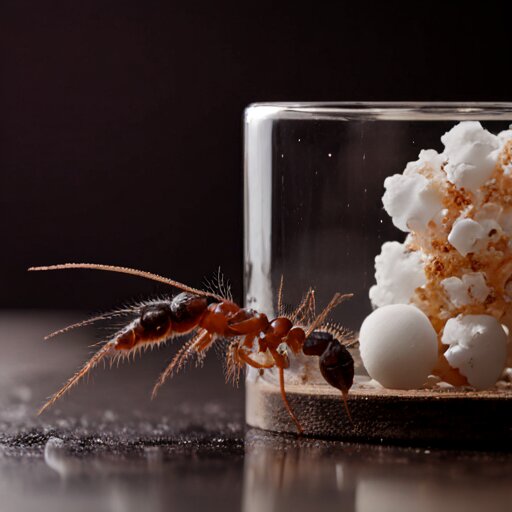
Charles Janet invented the formicarium in 1900. He also proposed a reorganization of the periodic table in 1927 that physicists still argue about today. One man: ant farms and atomic theory. I like knowing that.
The test tube arrived yesterday. Water in the bottom third, cotton ball pressed to the water line, space for a queen, another cotton plug to seal it. Everyone in the hobby uses the exact same setup — “test tube founding” is such standard jargon that nobody bothers explaining it. You just say the words and everyone knows.
No queen yet. Nuptial flights in Alberta won’t happen until late spring, probably May or June after a good rain. For now the tube sits empty on my desk, a housing awaiting an occupant.
This is the third hobby in three weeks where I’ve set up infrastructure and then been told to wait. The aquarium needed four to six weeks to cycle before adding fish. The bonsai juniper needed a full year of recovery before any styling decisions. Now a founding queen will need weeks of darkness and silence while she metabolizes her own flight muscles into eggs. Claustral founding, it’s called — she’ll never eat again until her first workers emerge, converting the protein from wing muscles she’ll never use into the next generation.
Something about that fact won’t leave me alone. A mated queen lands, chews off her wings, and seals herself underground. The wings that carried her to the nuptial flight become the fuel for her colony. Flight into motherhood, literally digested.
I’ve been thinking about the beekeeping from a few weeks ago — the sixty thousand workers with no central authority, the waggle dance encoding direction relative to a sun they can’t see. Ant colonies are the same architecture. Pheromone trails instead of waggle dances, but the same distributed decision-making, the same emergent coordination without management. Superorganisms. The queen isn’t in charge of anything; she just produces eggs and chemical signals while the workers figure out the rest.
I keep arriving at social insects from different angles. Bees through foraging logistics. Ants through a microscope accident — one wandered onto a slide while I was examining pond water, and I watched it groom its antennae at 40x for ten minutes before it escaped. Mentioned it to a colleague who said her partner keeps colonies in glass nests. Looked it up. Ordered the tube before finishing my coffee.
That’s the pattern now. Each hobby leads to the next through some small accident of proximity. The aquarium led to the microscope. The microscope led here.
What I don’t know yet: whether I’ll find a queen this spring, whether she’ll survive founding, whether I have the patience for weeks of deliberate neglect. The advice online is unanimous — don’t check on her, don’t move the tube, don’t shine lights. Leave her alone in the dark and trust the process.
Same advice they give for developing film. Same advice they gave for the bonsai’s first year. Patience isn’t a single skill. It’s a different discipline every time, relearned for each new material.